

Hello art friends,
Thanks for being here and following my artistic pursuits. Read on for a recap of some outdoor painting I did over the summer, some art teaching I practiced at summer camp, and a recent weekend workshop I participated in for the third year in a row.
FRUITLANDS
Located in Harvard, Massachusetts, the present-day Fruitlands Museum sits on the site of a former utopian, agrarian, transcendentalist* community that was called Fruitlands. Established in 1843 by Amos Bronson Alcott (father of Little Women author Louisa May Alcott), the commune lasted just seven months. Today the site showcases the history of transcendentalism in New England, a museum about Shaker life, and the history of Native Americans in the area. And it sits on a nice hilltop with big, open views for painting.
*Transcendentalism was a religious movement which started in New England in the 1830s based on the idea that the divine exists within all of nature and humanity. The movement also promoted the rights and roles of women, communal living, and looking toward nature rather than institutions to understand all aspects of human life. Other famous names associated with this movement were Ralph Waldo Emerson and Henry David Thoreau.
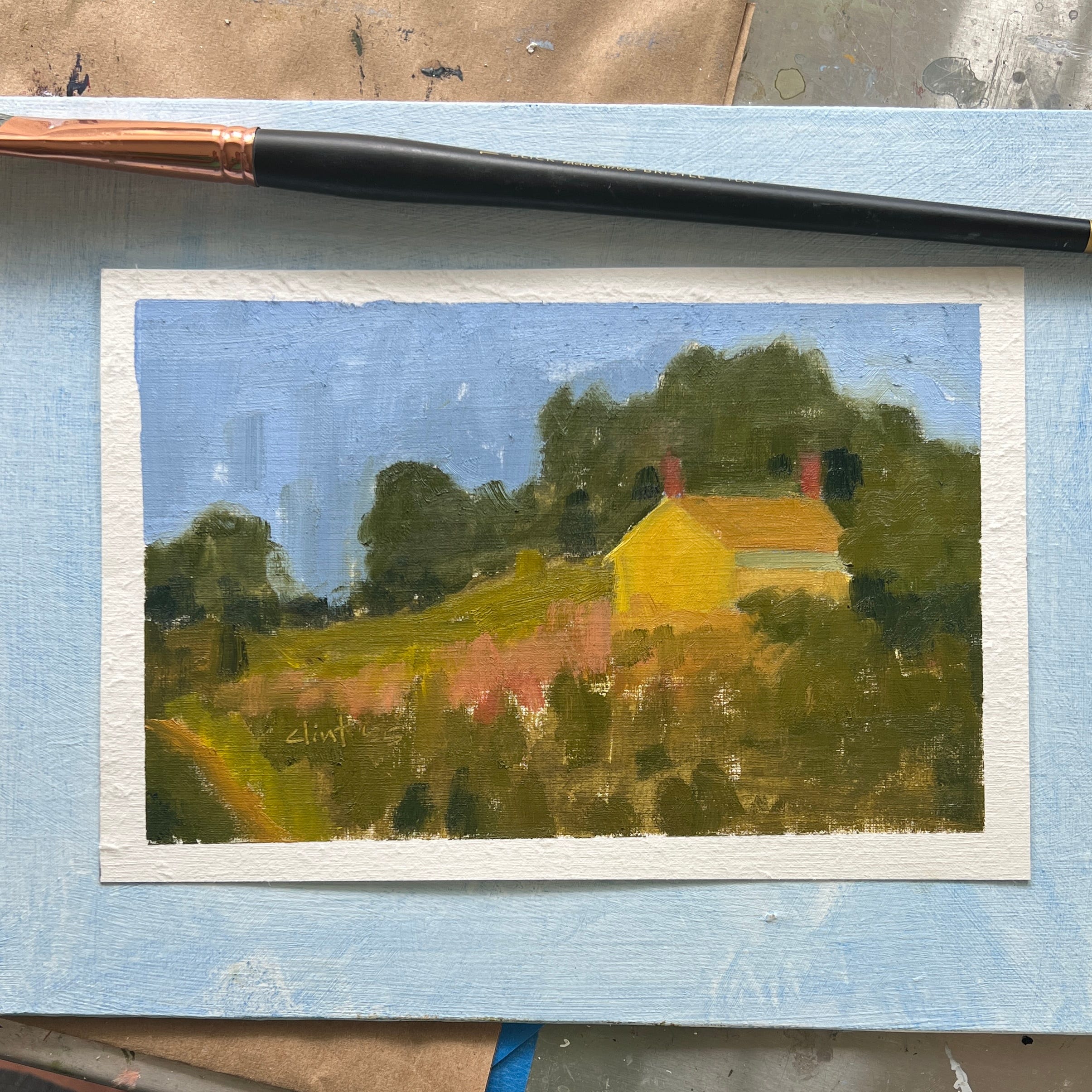
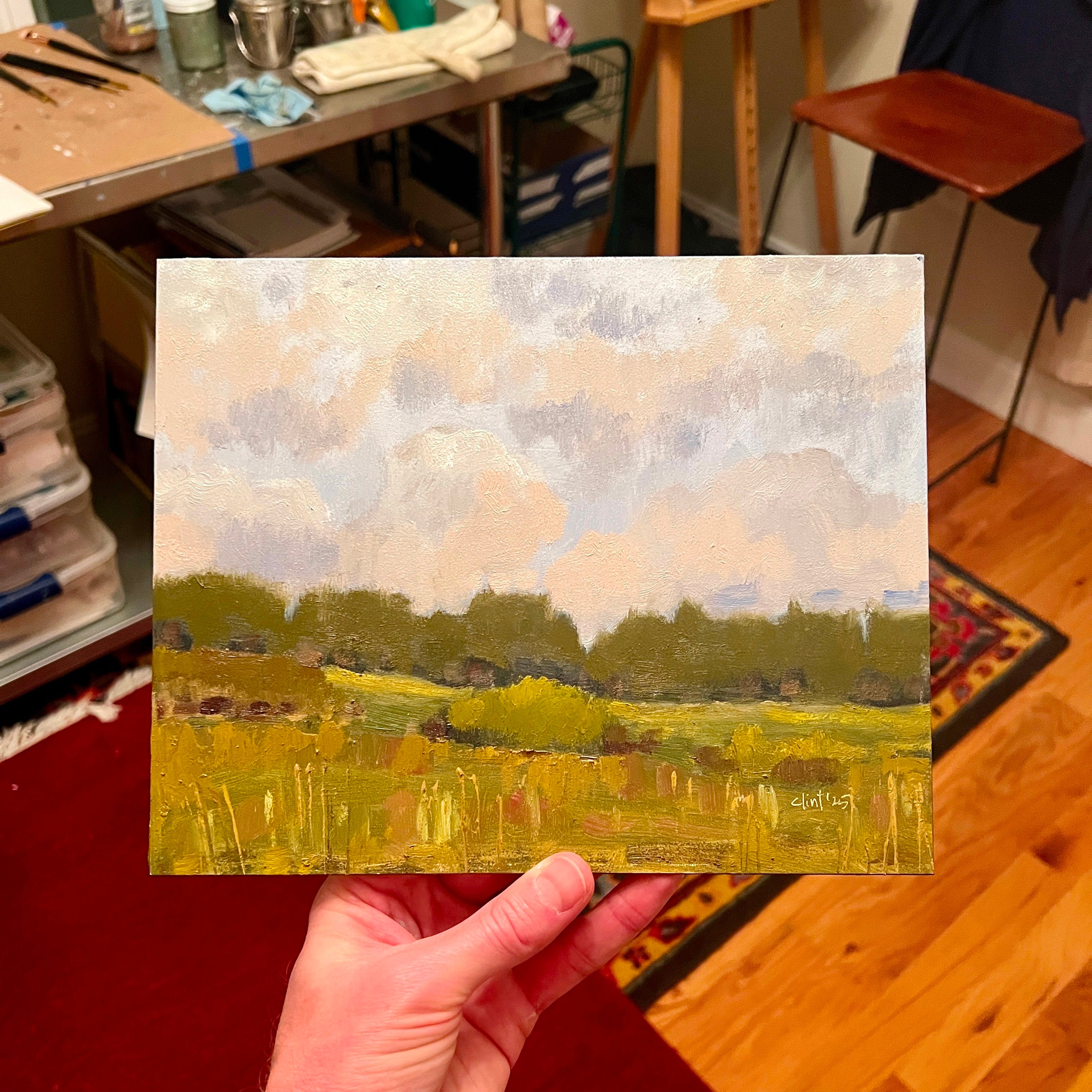
Another view from the Fruitlands Museum and hiking trails. This is a view I painted (above), though I decided after I got home that the sky needed more drama.
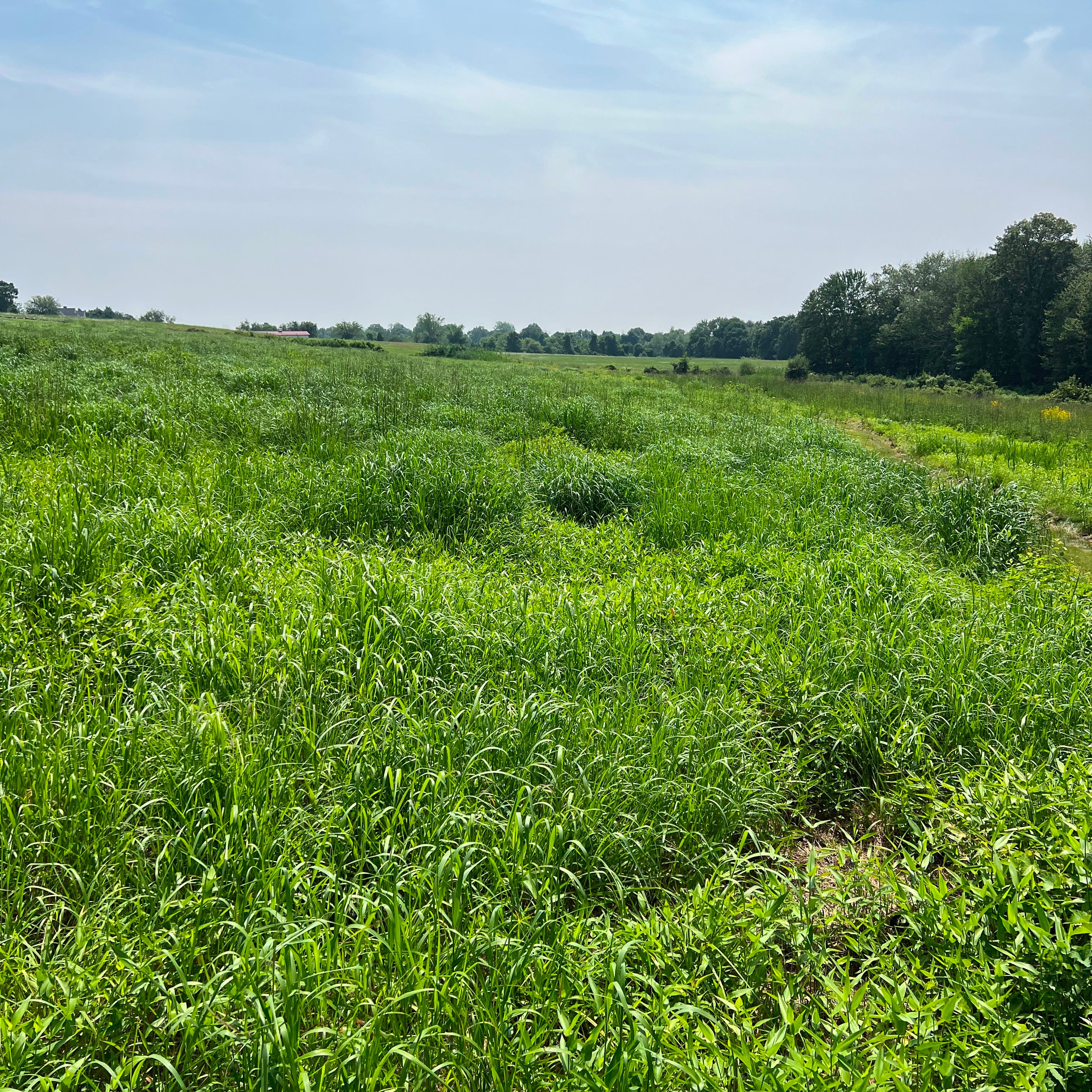
This was my second time visiting the Fruitlands Museum. I went a few years ago on an oppressively hot summer day, hiked around a bit, and didn’t stay very long. My recent experience was much nicer, despite the mosquitoes and risk of ticks.
ART TEACHING
My husband and I have been attending a summer camp for LGBTQ adults off and on for the past several years. Maine is probably my favorite New England state, and this week-long summer camp combines the state’s natural beauty with about 250 really great people.
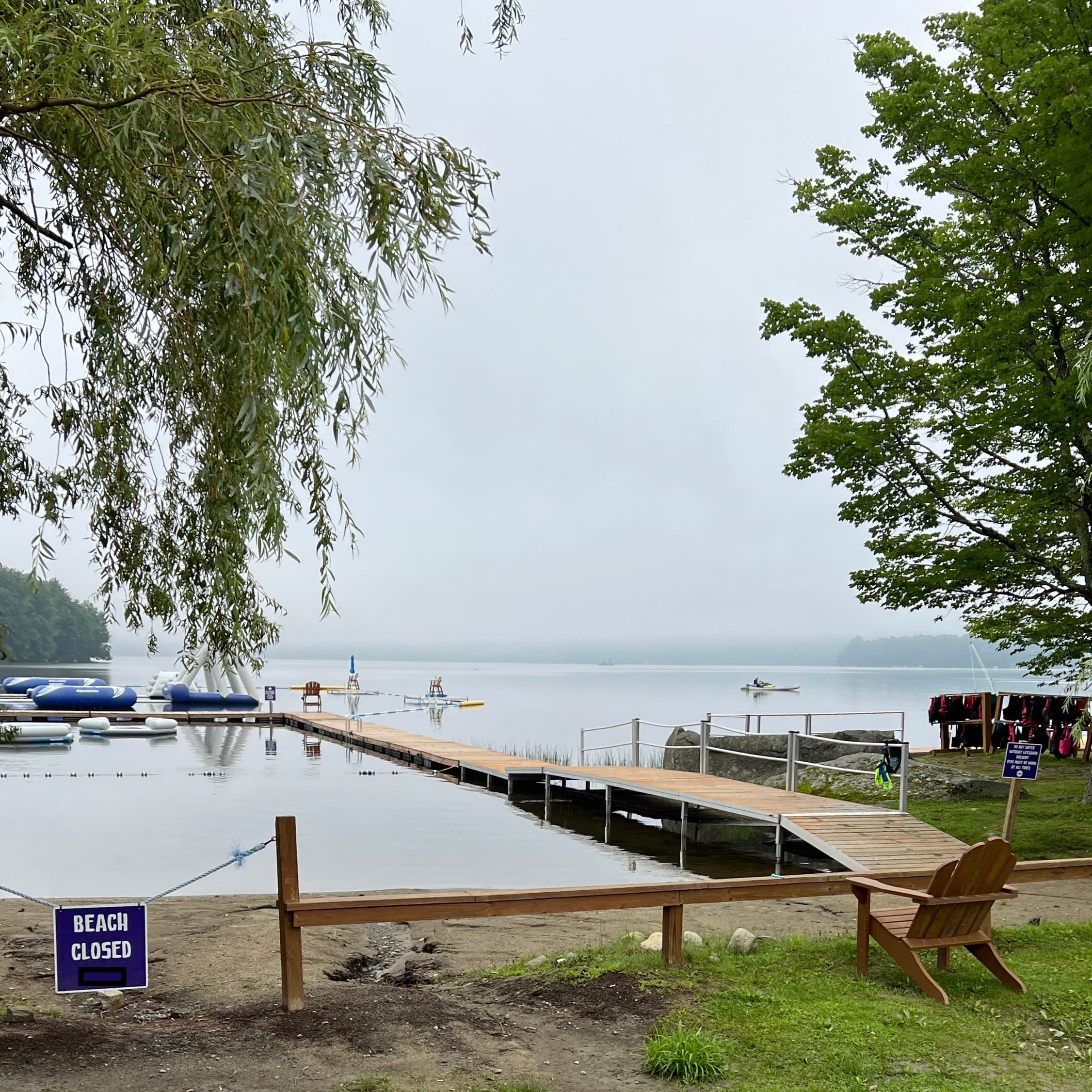
One way that we have made the camp experience feel new over the years is to be on staff. The camp encourages campers to teach and lead activities for fellow campers. This means that during the three main activity periods each day there are at least two dozen activities to choose from. For two years now I have taught watercolor painting and figure drawing, which has been a fun challenge. It has forced me to think more specifically about my own drawing and painting process and how to explain it to others.


My four figure drawing sessions were fairly routine in the sense that we met in the same indoor location each day. I focused this year on giving more instruction for people who were new to figure drawing. I shared a formula that I have learned in some figure drawing classes I’ve taken in the past year, which I continue to rely on. No matter if the model is posing for 2 minutes or 2 hours, I find it useful to always start with some of the same basic ideas and marks on the paper.
Here are some of my results from the week:


Watercolor painting was a little less predictable because for the first few sessions I wanted to teach the class outside. That was due in part to the charm of painting outside in the Maine summertime sunshine, but also to escape the loud noise of the stained glass grinder running inside the shared, indoor art studio space. The first session outside was actually a little too hot. And the second session I moved under a big tent to escape rain, but underestimated the strong winds. I resorted to teaching inside for the remaining three sessions, which was actually worked out well (despite a little background noise).
Here are a two images I painted before camp to practice my skills and to show and entice campers to come paint with me.


In general, teaching at this very friendly summer camp is quite low stakes. We’re all there to have fun. At the same time, I aimed to provide a complete and professional experience and introduction to those new to these materials and techniques. The history major in me also showed and talked about the tradition of figure drawing (key before photography) and the nineteenth century revolution of metal paint tubes that enabled artists more portable options for painting outside of a studio.
A SUMMER/FALL PAINTING WORKSHOP
When I saw the email announcing Amy Brnger’s September landscape painting workshop earlier this year, I jumped on it. We had the workshop just a week ago, and it was a bit of an adventure! We actually ended up with two workshop themes: landscape painting (as planned) on Saturday, and bonus indoor flower painting due to torrential rain on Sunday.


I’ve painted some of my own flowers indoors in recent years, but have never had much instruction. Even though it would have been fun to be outside painting for two days, it was also a very nice change of pace to have one day outside and then head indoors.


Slow River Studio, located in Topsfield, Massachusetts, hosted this two-day workshop. And the studio space was a great backup when the rain interrupted the original plan. It was actually incredibly relaxing to focus on painting these flowers, listening to nice music, while the rain fell outside.
Thanks for reading, and feel free to leave notes comments below. I’ll keep you posted on what I get up to art-wise in the coming month.
Beautiful work, Clint! I'm so glad you're branching out and teaching. I always thought you would be a great teacher.
I love Fruitlands!!! Your work is gorgeous, so glad I stumbled upon your substack today. ❤️